

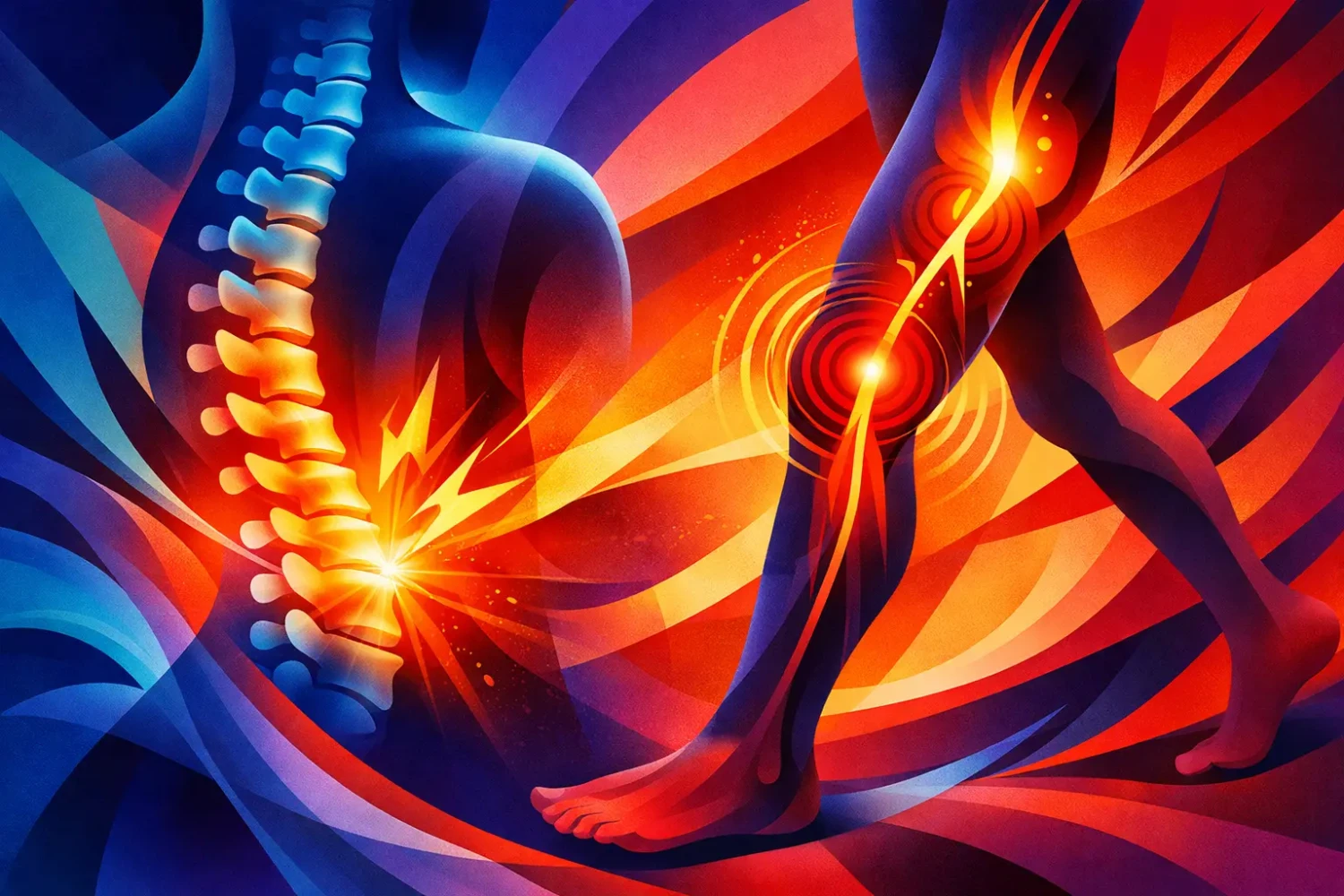
A sharp, burning line of pain from the low back into the buttock or leg can change how you sit, sleep, walk, and work. Understanding how chiropractic helps sciatica starts with understanding that sciatica is a symptom pattern, not a diagnosis by itself. It describes irritation or compression affecting the sciatic nerve or the nerve roots that contribute to it.
For many people, conservative care is an appropriate first step. Chiropractic care can address restricted spinal movement, muscle tension, poor movement patterns, and other mechanical factors that may be contributing to symptoms. The goal is not simply to cover up pain. It is to identify what is stressing the area, improve how the body moves, and help you return to daily activities with greater comfort and confidence.
What Sciatica Can Feel Like
Sciatica commonly affects one side of the body. Pain may begin in the low back or buttock and travel down the back, side, or front of the thigh. Some people feel symptoms only to the knee, while others notice pain, tingling, numbness, or weakness extending into the calf, ankle, or foot.
Sitting, bending, coughing, lifting, or getting up from a chair may aggravate the symptoms. For some patients, standing and walking are more difficult. The experience can range from a mild ache that comes and goes to intense pain that makes routine movement feel impossible.
Several conditions can produce sciatic-type symptoms. A disc bulge or herniation, arthritis-related narrowing around spinal nerves, joint dysfunction, spinal stenosis, muscle spasm, or irritation in the deep gluteal muscles can all play a role. That is why an individualized examination matters. Two people may both say they have sciatica but need very different care plans.
How Chiropractic Helps Sciatica at Its Source
Chiropractic care focuses on the relationship between the spine, joints, muscles, and nervous system. When a spinal joint is not moving normally, nearby tissues can become stiff and sensitive. The body may compensate by tightening muscles or changing the way it bends, walks, and transfers weight. Over time, those compensations can add stress to the lower back, hips, and pelvis.
A chiropractor evaluates your symptoms alongside your posture, range of motion, reflexes, strength, and movement patterns. When appropriate, chiropractic adjustments and gentle manual techniques may help restore motion in restricted spinal or pelvic joints. Better movement does not guarantee that every case will resolve immediately, but it can reduce mechanical stress and give irritated tissues a better environment to heal.
For patients with muscle-driven symptoms, hands-on soft-tissue treatment can be especially helpful. Deep tissue therapy, myofascial release, trigger point therapy, and chiropractic massage may reduce tightness in the low back, hip flexors, gluteal muscles, and piriformis area. When these tissues are overly tense, they can alter pelvic mechanics and make nerve-related symptoms feel worse.
Chiropractic treatment is not a one-size-fits-all series of adjustments. The right approach depends on the cause of symptoms, the level of pain, your health history, and what your examination shows. Some people respond well to gentle mobilization and soft-tissue work before they are ready for a more direct adjustment. Others benefit from a combination of spinal care, therapeutic exercise, and guidance on activity modification.
Reducing Pain Without Relying Only on Medication
Sciatica can make medication feel like the fastest option. Medicines may be useful for some people under the direction of their medical provider, especially during a severe flare-up. However, medication alone may not address the movement restrictions, postural strain, or muscular guarding that contributed to the problem.
Chiropractic offers a non-pharmaceutical option that can be part of a broader care plan. Treatment may include manual care, electrical muscle stimulation to calm painful muscle spasm, and practical recommendations for positions or movements that are less likely to aggravate symptoms. The aim is meaningful symptom relief while helping you stay safely active rather than avoiding movement altogether.
Improving Mobility and Daily Function
When pain shoots into the leg, people often begin moving cautiously. They may avoid walking, stop exercising, shift their weight to one side, or brace every time they stand up. These changes are understandable, but prolonged guarding can create additional stiffness and weakness.
As symptoms settle, therapeutic exercises can help restore mobility and support the muscles that stabilize the low back and hips. A care plan may include gentle stretching, controlled core and hip exercises, and instruction on lifting, bending, sitting, and sleeping positions. The best exercise is not always the one that looks most challenging. It is the one that matches your current condition and can be performed without increasing nerve symptoms.
For example, one patient may need to avoid repeated forward bending during the early phase of a disc-related flare-up. Another may be stiff from prolonged sitting and need gradual hip mobility and walking tolerance. Personalized guidance helps prevent well-meaning exercise from becoming another source of irritation.
What to Expect at a Sciatica Chiropractic Visit
A thorough first visit should begin with a conversation. Your chiropractor will ask where the pain travels, what triggers it, whether you have numbness or weakness, and how the problem is affecting your work, sleep, recreation, and home life. They will also review relevant medical history, prior injuries, and any treatments you have already tried.
The physical examination may include orthopedic and neurological testing, along with an assessment of spinal and hip movement. X-rays may be considered when clinically appropriate to evaluate structural concerns, degeneration, alignment, or injury history. Not every patient needs imaging, and imaging findings are only one part of the full clinical picture.
After the evaluation, your chiropractor should explain the likely contributing factors, recommended treatment options, and what progress may reasonably look like. Some people notice improvement after a few visits. Others, particularly those with chronic symptoms or significant nerve irritation, may need a longer course of care. Progress is usually measured by more than pain intensity: sleeping better, walking farther, sitting longer, and returning to normal tasks are all meaningful changes.
At ActiveLife Family Chiropractic, care can combine chiropractic adjustments with soft-tissue therapies, therapeutic exercise, electrical muscle stimulation, and other conservative options based on the individual patient. With more than 30 years of clinical experience, the focus is on careful evaluation and practical treatment that fits your needs.
When Sciatica Needs Urgent Medical Attention
Most cases of sciatica improve with appropriate conservative care, but certain symptoms should never be ignored. Seek urgent medical evaluation if you experience new loss of bladder or bowel control, numbness in the groin or saddle area, rapidly worsening leg weakness, fever with severe back pain, or symptoms following a significant fall, crash, or other trauma.
You should also speak with a healthcare professional promptly if unexplained weight loss, a history of cancer, severe unrelenting nighttime pain, or other concerning health changes accompany your back and leg symptoms. Chiropractic care works best when it is part of responsible, coordinated healthcare. If your presentation suggests a condition requiring medical testing, medication, injection, or surgical consultation, an appropriate referral is the right next step.
Supporting Your Recovery Between Visits
Small choices between appointments can influence how your body feels. Avoid complete bed rest unless another provider has specifically advised it. Short, frequent walks are often better tolerated than a long walk that leaves you flared up. Change positions regularly if sitting increases your symptoms, and use good body mechanics when lifting groceries, yard equipment, or children.
Pay attention to the direction of your symptoms. Pain that is moving out of the leg and becoming more localized to the low back can be a positive sign for some patients. Pain that is spreading farther down the leg, increasing in intensity, or bringing new numbness or weakness deserves a call to your provider.
Footwear, work setup, sleep position, activity level, and previous injuries can also affect recovery. In some cases, custom foot orthotics or targeted support for the feet and lower extremities may be considered when poor mechanics are placing extra strain on the spine, hips, or knees.
Sciatica can be frustrating because it interrupts ordinary life so quickly. The encouraging part is that a careful examination and a personalized conservative plan can often help you move from guarding every step to trusting your body again. If leg pain is limiting your day, timely evaluation can help clarify the cause and identify the most appropriate path forward.